
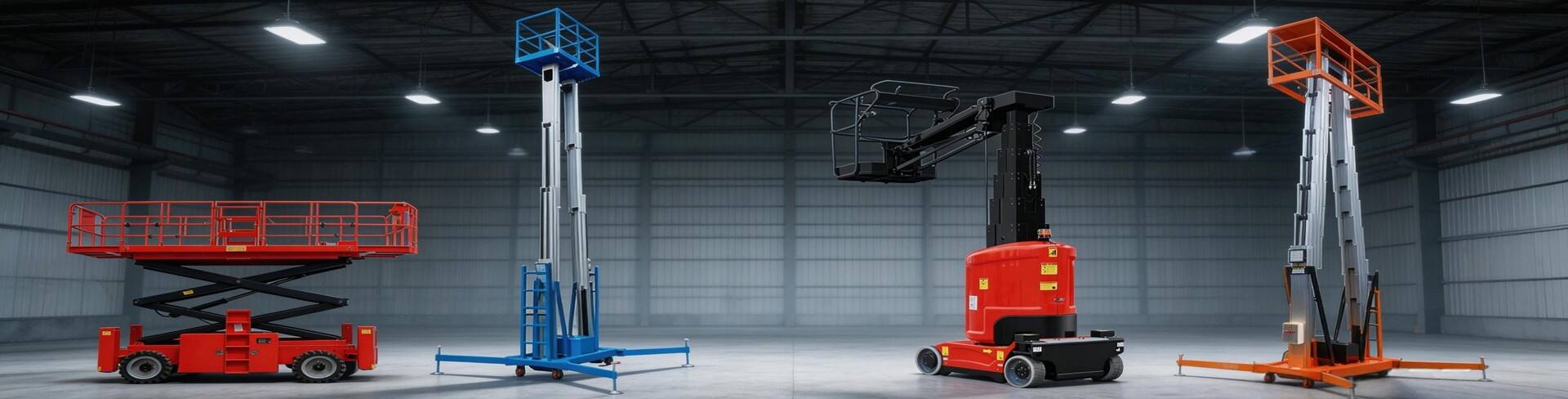
The hydraulic system of a self-propelled scissor lift platform is the main artery of the entire equipment, determining the normal operation of the lift platform. If there is a problem, it not only affects the work efficiency but also poses safety hazards. Therefore, the maintenance of the hydraulic system must be done well. So, what are the main steps?
1. Keep the hydraulic system clean. The hydraulic oil in the self-propelled scissor lift platform is the lifeblood of the hydraulic system. There are many precision components in the hydraulic system, some with damping holes, some with gaps, etc. If solid impurities invade, they will cause the precision components to be scratched, stuck, and the oil passage to be blocked, endangering the safe operation of the hydraulic system. The common ways for solid impurities to invade the hydraulic system include: during refueling, maintenance, and improper care, as well as the flaking of hydraulic components.
Several aspects can be used to prevent solid impurities from invading the system:
①During refueling. The hydraulic oil must be filtered before being added. The refueling tool should be reliable and clean. One should not remove the filter at the oil tank refueling port to increase the refueling speed. The refueling personnel should use clean gloves and work clothes to prevent solid impurities and fiber impurities from falling into the oil.
②During maintenance. When disassembling the oil tank filler cap, filter cover, inspection hole, hydraulic oil pipe, etc., when the oil passage of the system is exposed, avoid dust in the area. The disassembled parts should be thoroughly cleaned before opening. For example, when disassembling the filler cap of the oil tank, remove the dirt around the tank cover first, loosen the filler cap, and then remove the debris remaining at the joint (do not use water to rinse to avoid water seeping into the tank), and confirm that it is clean before opening the filler cap. If using wiping materials and a hammer, choose wiping materials that do not shed fiber impurities and a dedicated hammer with rubber on the striking surface. Hydraulic components and hydraulic hoses should be carefully cleaned, dried with high-pressure air after assembly. One should select packaged genuine filter elements, and clean the filter element at the same time when changing the oil, and clean the filter element shell bottom before installing the filter element with wiping materials.
2. Do a good job in the cleaning of the hydraulic system. The oil for cleaning must use the same brand of hydraulic oil as that used by the system, with an oil temperature between 45°C and 80°C. Use a large flow to try to remove impurities from the system. The hydraulic system should be cleaned three times or more. After each cleaning, release all the impurities from the system while the oil is hot. After cleaning, clean the filter element, replace the new filter element, and add new oil.