
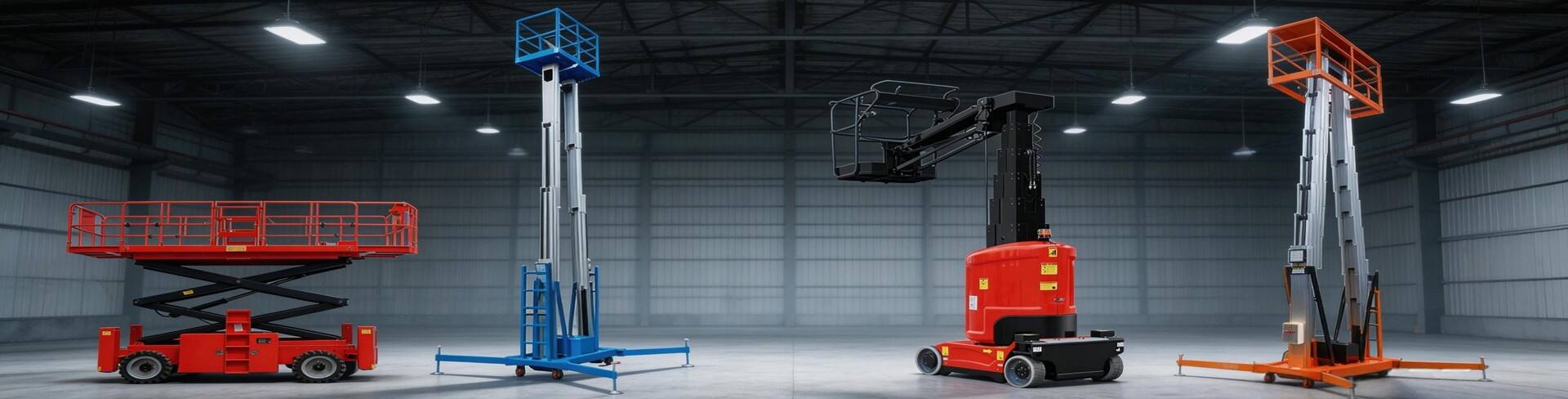
The performance of the hydraulic system is directly related to the working efficiency of the Articulating Boom Lift. Among them, the change in hydraulic oil flow is an important factor determining the lifting speed. As the power transmission medium for lift force, the flow of hydraulic oil directly affects the moving speed of the lifting platform. Each component in the hydraulic system, including hydraulic pipes, hydraulic valves, hydraulic pumps, and motor speed control devices, will have a significant impact on the flow of hydraulic oil. For example, if the hydraulic pipes are clogged, the flow of hydraulic oil will be restricted, resulting in a decrease in the lifting speed. Similarly, if the hydraulic valves (such as one-way stop valves, electromagnetic valve reversing valves, proportional control valves, etc.) fail or are clogged, it will also limit the flow of hydraulic oil, further affecting the lifting performance. Moreover, if the performance of the hydraulic pump declines or the oil supply flow is unstable, it will also lead to a decrease in the lifting speed. Therefore, it is crucial to regularly inspect and clean the hydraulic pipes and hydraulic valves, ensure the stable operation of the hydraulic pump, and maintain the normal speed of the lifting.
The quality of hydraulic oil is also a key factor affecting the lifting speed. During use, the hydraulic oil may gradually deteriorate due to oxidation and contamination, generating impurities and deposits. These impurities not only cause blockages in the hydraulic pipelines and hydraulic valves but also reduce the lubrication performance of the hydraulic oil, increasing friction between components, and further affecting the lifting speed. Therefore, regular replacement of hydraulic oil and selection of high-quality hydraulic oil that meets the equipment requirements are important measures to ensure the normal operation of the lifting machine.
The leakage problem of the hydraulic system cannot be ignored. If there is leakage in the system, it will cause hydraulic oil loss, thereby reducing the system pressure and directly affecting the lifting speed. Leakage may occur at multiple locations, such as hydraulic pipes and joints, cylinders, and the joints of hydraulic valves. Once a leak is detected, it must be immediately identified and repaired to prevent the problem from expanding and affecting the overall performance of the equipment.
When dealing with abnormal lifting speed issues, adjusting the relief valve is not an effective solution. The main function of the relief valve is to prevent the hydraulic system pressure from being too high, to protect the safe operation of the system. Randomly adjusting the set value of the relief valve may not only lead to abnormal system pressure but also cause equipment damage or trigger safety accidents. Therefore, when encountering abnormal lifting speed, it is necessary to first eliminate other possible causes. Only when the hydraulic system pressure is below the normal range can the relief valve be considered for adjustment.